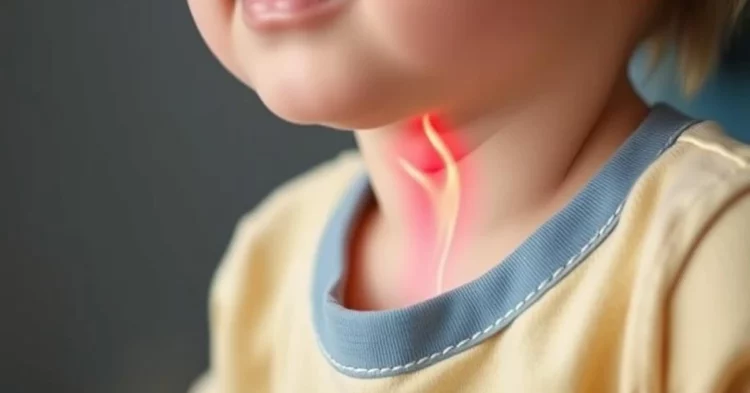
Tracheitis is an irritating inflammation of the trachea — the airway that connects the larynx to the bronchi — and it can become particularly concerning when it affects children. Whether caused by viruses, bacteria, or allergens, tracheitis in children is often linked to upper respiratory tract infections like colds, the flu, and laryngitis. While it can be alarming for parents due to symptoms like coughing and difficulty breathing, most cases resolve within two weeks with the proper care.
In this article, we break down the causes of tracheitis, how to recognize the signs, what treatments are effective, and when to seek medical attention.
What Causes Tracheitis in a Child?
Tracheitis in children can be triggered by several different sources, primarily infections or irritants. These include:
1. Viral Infections
These are the most common cause of acute tracheitis in children and include:
- Respiratory Syncytial Virus (RSV)
- Influenza virus (Type A and B)
- Parainfluenza virus (often leads to croup and laryngotracheobronchitis)
- Rhinovirus, adenovirus, and coronavirus (common cold viruses)
2. Bacterial Infections
Though less common than viral causes, bacterial tracheitis can be more serious. Common bacteria include:
- Staphylococcus aureus
- Streptococcus pneumoniae
- Haemophilus influenzae (rare now due to vaccination)
- Klebsiella pneumoniae
- Moraxella catarrhalis
3. Allergens and Environmental Irritants
Tracheitis can also be triggered by:
- Passive smoke exposure
- Indoor pollutants (cleaning chemicals, sprays)
- Dust or allergens
Children with allergies or underlying respiratory sensitivities are more vulnerable to developing chronic forms.
4. Other Contributing Factors
- Congenital malformations in the respiratory tract
- Gastroesophageal reflux (stomach acid reaching the airway)
- Weakened immune systems
Autism Test Guide: Best Online Tools for Adults, Teens, and Self-Diagnosis
How Do I Know If My Child Has Tracheitis?
Recognizing tracheitis early can help prevent complications. Symptoms typically appear suddenly and may resemble other respiratory infections like bronchitis or laryngitis. Signs include:
- Persistent dry cough, which may become productive
- Sore throat, hoarseness, or loss of voice
- Runny nose (rhinorrhea)
- Fever
- Noisy breathing (stridor)
- Breathing difficulties or shortness of breath (especially in infants or toddlers)
- General fatigue or tiredness
The symptoms may worsen at night, particularly in acute cases.
Can You Look Normal With Turner Syndrome? The Hidden Signs and Long-Term Effects
Types of Tracheitis
Tracheitis can be classified based on the severity and cause:
- Acute Tracheitis: Sudden onset, usually viral or bacterial. With treatment, it resolves in 1 to 2 weeks.
- Chronic Tracheitis: Persistent inflammation often linked to allergies, irritants, or underlying conditions. Rare in children.
- Primary Tracheitis: Direct inflammation of the trachea.
- Secondary Tracheitis: Inflammation that spreads from nearby areas like the throat or sinuses.
Turner Syndrome Explained: Facial Features, Life Expectancy & Karyotype
How is Tracheitis Transmitted?
Most commonly, tracheitis is spread through inhalation of airborne viruses or bacteria. This often occurs in indoor environments where children interact closely, such as schools and daycares. Infections spread via:
- Sneezing or coughing
- Touching contaminated surfaces and then the mouth or nose
- Shared toys or utensils
In the case of allergic tracheitis, inhaling irritants like smoke or dust is the main trigger rather than infection.
What Does an Inflamed Trachea Feel Like?
Children with an inflamed trachea may describe:
- A scratchy or burning sensation in the throat
- Pain when coughing or swallowing
- A feeling of tightness or pressure in the chest
- Difficulty breathing, especially when lying down
Parents may also notice raspy breathing sounds or a cough that worsens during sleep.
How Do You Treat Tracheitis?
The treatment for tracheitis depends on the cause:
Viral Tracheitis:
- Managed with rest, hydration, and fever control
- Honey (for children over 1 year old) can help soothe the throat and thin mucus
- Over-the-counter analgesics or anti-inflammatory medications may be recommended
- No antibiotics are needed
Bacterial Tracheitis:
- Requires antibiotics, prescribed by a pediatrician after confirmation
- Severe cases might need hospitalization for oxygen or airway support
Allergic Tracheitis:
- Antihistamines or corticosteroids may be used
- Avoiding exposure to smoke, pollutants, or known allergens is critical
Supportive home remedies include:
- Keeping the room humidified
- Encouraging warm liquids (soups, herbal teas)
- Ensuring plenty of rest
Always consult a pediatrician for a proper diagnosis before starting any treatment, especially in young children.
How Long Does Tracheitis Last?
- Viral tracheitis usually resolves in 7 to 10 days
- Bacterial tracheitis, with proper antibiotics, typically heals within 10 to 15 days
- Chronic or allergic forms may persist longer and require ongoing management
If symptoms worsen or linger beyond two weeks, follow-up care is essential to rule out other complications such as bronchitis, pneumonia, or sinus infections.
Tracheitis in children can be distressing but is usually treatable with prompt care. Understanding the signs and knowing the likely causes — whether it’s viral, bacterial, or allergic — can help parents respond quickly and effectively. Most cases heal completely with rest, fluids, and proper medical support.
If your child is experiencing persistent cough, fever, and noisy breathing, don’t hesitate to consult a pediatrician. Early recognition and tailored treatment are key to preventing more serious complications and helping your child recover faster.